
Published: October 28, 2025 · Updated: June 2, 2026 · 8 min read
One of the most common questions we hear from travelers planning a Morocco desert tour is: "When is the best time to go to the Sahara?" The answer matters a great deal — the difference between a visit in October and a visit in July can be the difference between a transcendent experience and a dangerously hot ordeal. In this guide, our local team shares everything you need to know about timing your Sahara trip.
The Short Answer: October to April
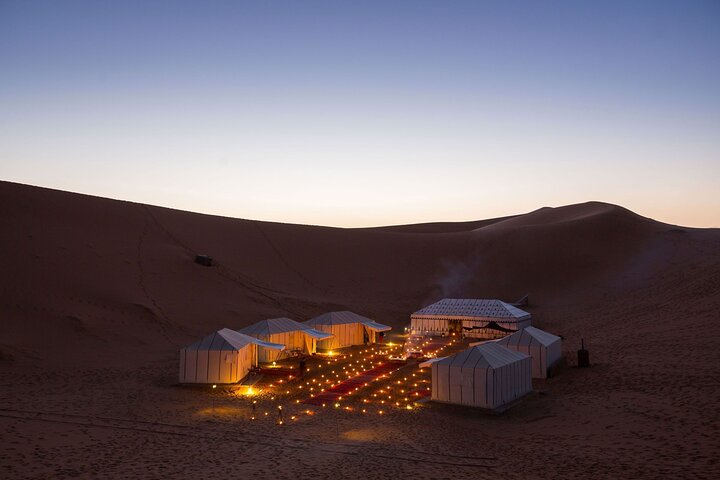
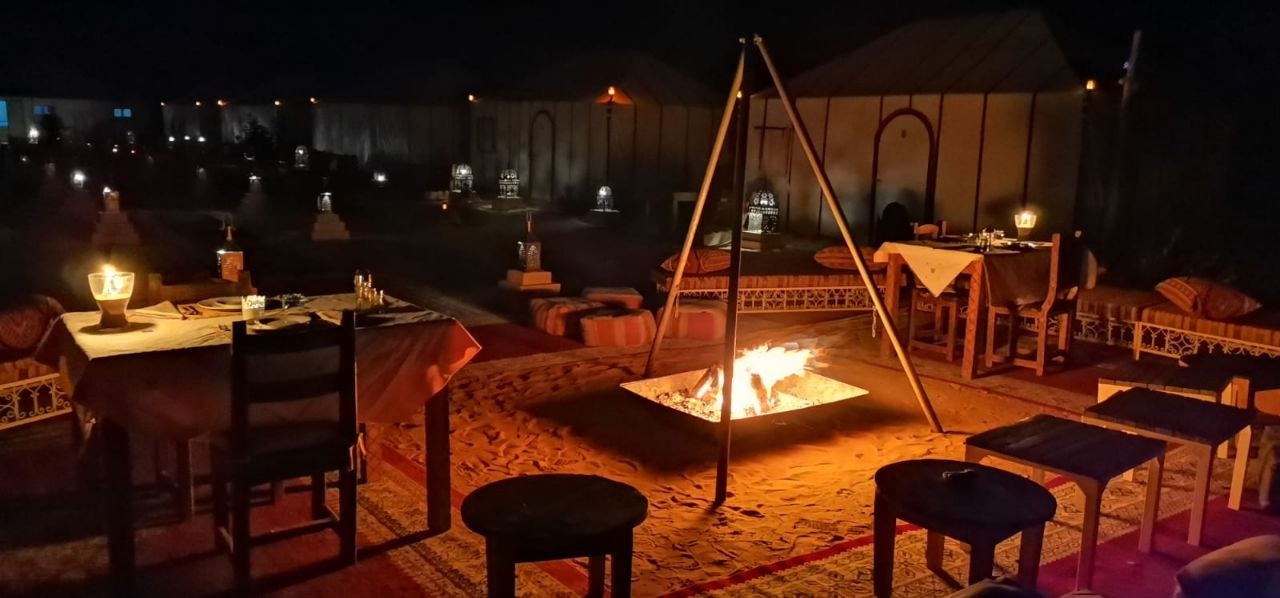
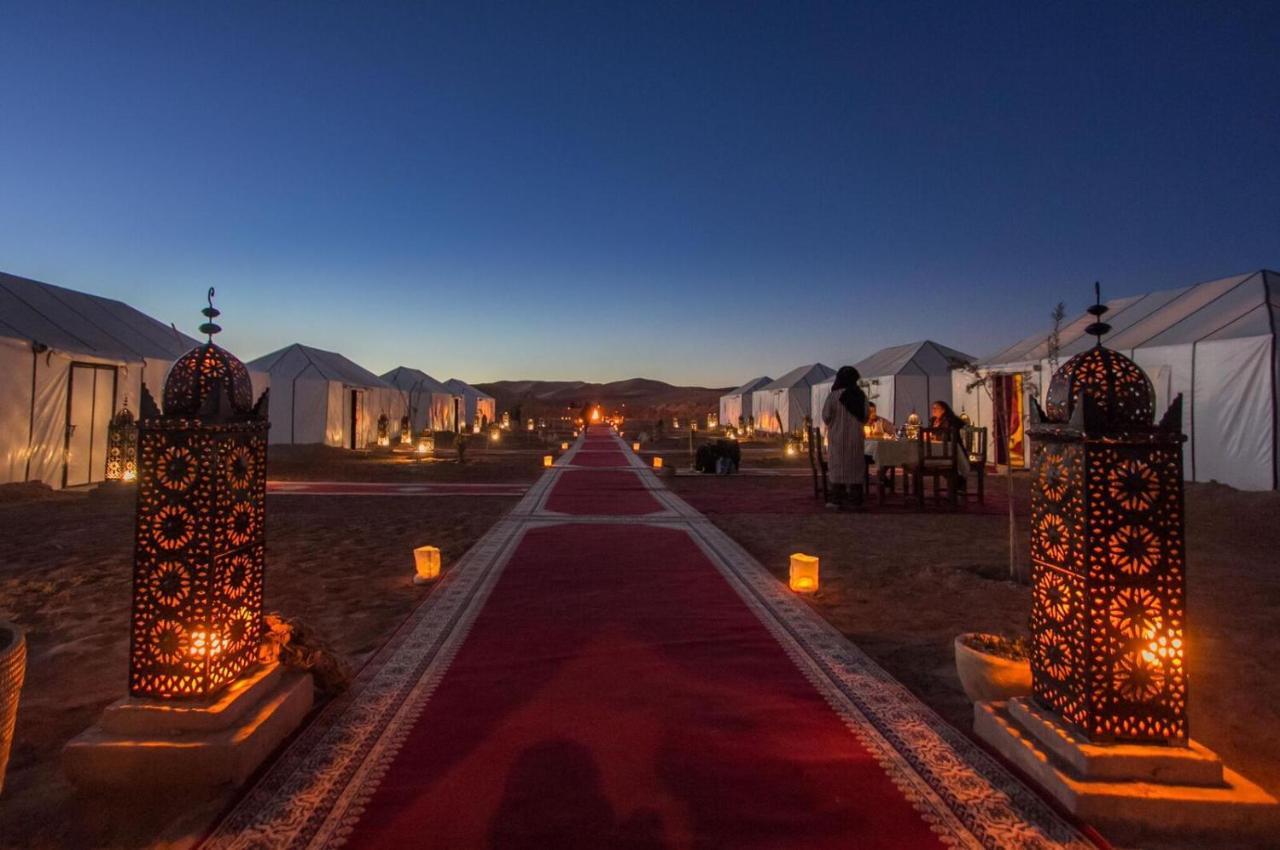
The Moroccan Sahara is at its most spectacular and comfortable between October and April. During these months, daytime temperatures in the desert typically range from 15°C to 28°C (59–82°F) — warm and sunny during the day, refreshingly cool at night. The sky is reliably clear, the light is extraordinary, and sleeping in a desert camp is genuinely one of the most comfortable and magical outdoor experiences you can have.
Avoid the Sahara in July and August, when temperatures routinely exceed 45°C (113°F) in direct sunlight. These months are genuinely dangerous for outdoor desert activities, and even experienced guides avoid extended time in the dunes at midday. If July or August is your only option, see our advice below.
Month-by-Month Guide
October — Perfect Season Opener
Daytime: 25–30°C · Night: 12–18°C. The summer heat has broken and the desert is at its most photogenic — clear air, long golden hours, and the first of the season's tourist groups arriving. Excellent for photography and comfortable for all outdoor activities. The rose-growing valleys to the west are green after occasional early autumn rains. Our recommendation: One of the two best months.
November — Quiet & Beautiful
Daytime: 20–26°C · Night: 8–14°C. Slightly quieter than October with excellent conditions. The Erg Chebbi dunes retain their warmth from the summer and the desert floor is pleasant. Clear nights make for exceptional stargazing. Shoulder season pricing applies at most camps. Our recommendation: Excellent choice — often our favorite month.
December & January — Crisp Desert Winter
Daytime: 15–22°C · Night: 2–8°C (occasionally near 0°C). The Sahara in winter is a revelation — the Atlas Mountains behind the dunes are snow-capped, the light is extraordinarily clear and sharp, and the contrast between white peaks and golden sand creates extraordinary photographs. Nights are cold and require warm sleeping bags, but the camp is prepared for this. Fewer tourists. Our recommendation: Spectacular for photography; bring warm layers for the night.
February & March — Spring Awakening
Daytime: 18–26°C · Night: 7–12°C. The desert starts to warm. February is still quiet and peaceful; March brings the first real crowds of spring. The Dades Valley begins to show the first rose blossoms toward late March, and wildflowers appear across the Atlas. A fantastic combination of mountain and desert. Our recommendation: Excellent months with rising energy and beautiful landscapes.
April — Peak Spring (Best Overall Month)
Daytime: 24–30°C · Night: 12–16°C. The absolute peak of the Morocco travel season, and widely regarded as the best month by our guides. The Dades Valley is in full rose bloom (late April is the famous Rose Festival in Kelâa M'Gouna), the Atlas Mountains are green and snowcapped, and the desert is warm without being hot. Book well in advance. Our recommendation: The single best month — book early.
May & June — Getting Hot
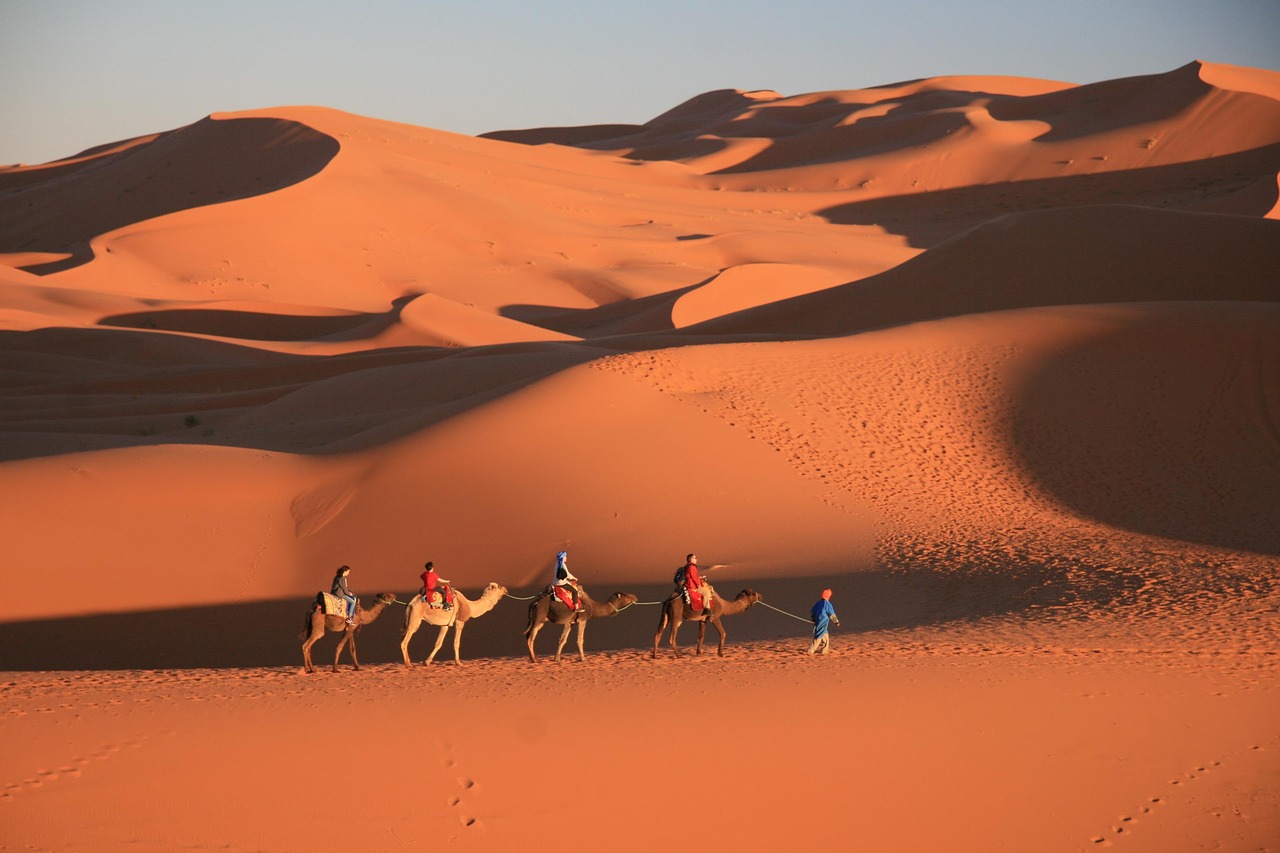
Daytime: 30–38°C · Night: 18–22°C. May is still manageable, especially in the early mornings and evenings. June starts to become uncomfortable for afternoon outdoor activities. The dunes become very hot to walk on. Dawn and dusk camel treks are comfortable; midday activities should be avoided. Caution: Possible, but choose early morning/evening activities only.
July & August — AVOID
Daytime: 42–48°C · Night: 25–30°C. Genuinely dangerous heat. Sand is too hot to walk on barefoot. Camels are not worked during midday. Desert camps are breathlessly hot even at night. Most experienced travelers and guides strongly advise against desert trips in these months. If this is your only option, strictly confine any outdoor activity to the 30 minutes before and after sunrise. Not recommended under any circumstances for outdoor desert activities.
September — Autumn Transition
Daytime: 34–40°C · Night: 20–25°C. September is hot but noticeably improving from August. The dates in the Tafilalet oases are being harvested — a beautiful seasonal spectacle. The desert is very quiet (most tourists avoid summer entirely) and prices are low. Early and late September are vastly different — the first week of September can still be brutally hot, while the final week approaches acceptable conditions. Late September can work; earlier in the month is risky.
The Irresistible Case for October–April
Beyond temperature, October–April is the sweet spot for several other reasons. The light quality in these months — particularly from October to December and in March–April — is extraordinary: long golden hours in morning and evening, clear skies free from the summer heat haze, and a quality of desert silence that the summer months, with their heat-driven air shimmers, simply cannot replicate.
Winter nights in the Sahara are also some of the finest stargazing opportunities on Earth. With zero light pollution, temperatures cool enough to lie outside comfortably, and a sky that reveals the Milky Way as a sweeping band of light from horizon to horizon, the desert night sky in November, December, and January is a genuinely transcendent experience.
Quick Summary Table
| Month | Daytime °C | Night °C | Verdict |
|---|---|---|---|
| October | 25–30°C | 12–18°C | Excellent |
| November | 20–26°C | 8–14°C | Excellent |
| December | 15–22°C | 2–8°C | Very Good |
| January | 14–20°C | 1–7°C | Very Good |
| February | 18–25°C | 6–12°C | Very Good |
| March | 20–28°C | 8–14°C | Excellent |
| April | 24–30°C | 12–16°C | Best Month |
| May | 30–36°C | 18–22°C | ⚠ Warm |
| June | 35–40°C | 20–24°C | ⚠ Hot |
| July–August | 42–48°C | 25–30°C | ❌ Avoid |
| September | 34–40°C | 20–25°C | ⚠ Risky |
Ready to Plan Your Desert Trip?
Our team is available 7 days a week to help you choose the best time for your specific travel dates, suggest the right tour length, and answer any questions about Morocco's climate and seasons.